Wave Patterns Pattern: A Tool for Creative Expression and Design Enhancement
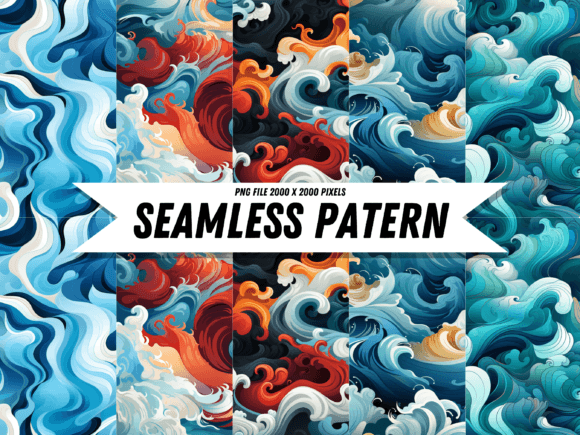
Wave patterns are a versatile design element that can transform any project from ordinary to extraordinary. Whether you're working on a website, marketing material, or digital artwork, the right pattern can add visual interest, texture, and personality. Wave Patterns Pattern offers a high-resolution PNG collection of seamless wave designs that integrate effortlessly into various creative workflows. This article explores how Wave Patterns Pattern functions within the broader design process and provides practical guidance on using it effectively in different contexts.
Understanding Wave Patterns Pattern
Wave Patterns Pattern is more than just a set of images—it's a resource designed to elevate your creative output. The collection includes a variety of wave-based designs, each crafted with precision to ensure they look great at any scale. These patterns are ideal for backgrounds, borders, overlays, and more. Their high-resolution format ensures clarity even when scaled up, making them suitable for both print and digital use.
Wave patterns can be used in numerous ways depending on the project's needs. For instance, a subtle wave pattern might serve as a background for a landing page, while a bolder variation could be used as an accent in a poster design. The versatility of these patterns makes them a valuable addition to any designer's toolkit.
Integrating Wave Patterns Pattern into Your Workflow
Using Wave Patterns Pattern effectively requires understanding where it fits within your creative process. Here are some scenarios where incorporating these patterns can enhance your work:
- Before Starting a Project: Consider using a wave pattern as a mood board element or as inspiration for color schemes and layout ideas.
- During the Design Phase: Apply wave patterns as backgrounds or overlays to add depth and visual interest to your compositions.
- After Finalizing a Design: Use wave patterns as decorative elements to refine the final output, ensuring it stands out visually.
These patterns also interact well with other design tools and resources. When combined with vector graphics, typography, or photographs, wave patterns can create dynamic and engaging visuals. They complement minimalist designs by adding texture without overwhelming the composition.
Practical Implementation Tips
To make the most of Wave Patterns Pattern, consider the following tips:
- Choose the Right Pattern: Select a wave pattern that aligns with the overall theme and tone of your project. Lighter, more delicate waves may suit a calm, professional look, while bold, intricate waves can add energy to a vibrant design.
- Ensure Compatibility: Verify that the pattern format (PNG) is compatible with your design software. Most modern tools support PNG files, but it's always good to double-check.
- Use Layers Wisely: Place wave patterns on separate layers so you can adjust their opacity, position, and blend modes easily. This gives you more control over how they interact with other design elements.
- Optimize for Performance: If using these patterns on a website, ensure they are optimized for fast loading times. Large PNG files can impact performance if not compressed properly.
By following these guidelines, you can integrate Wave Patterns Pattern seamlessly into your workflow without compromising quality or efficiency.
Workflow Examples and Use Cases
Here are a few real-world examples of how Wave Patterns Pattern can be applied across different industries and projects:
Web Design
In web design, wave patterns can be used as background elements for hero sections, headers, or footers. They add movement and visual appeal without distracting from the main content. For example, a tech company's website might use a soft wave pattern in the background of its about page to convey a sense of fluidity and innovation.
Print Media
For print media such as brochures, business cards, or packaging, wave patterns can enhance the tactile experience. A subtle wave texture on a brochure cover can make it stand out on a shelf and invite closer inspection.
Graphic Design
Graphic designers often use wave patterns as accents in posters, banners, or social media graphics. They can be layered behind text or used as border elements to frame important information.
Educational Materials
Teachers and educators can incorporate wave patterns into presentations or worksheets to make learning materials more engaging. A science teacher, for instance, might use a wave pattern in a presentation about oceanography to reinforce the subject matter visually.
Long-Term Use and Organization
When using Wave Patterns Pattern regularly, organization becomes key. Establishing a consistent naming convention and folder structure helps you locate the right pattern quickly. You might categorize patterns based on type (e.g., "abstract," "geometric," "organic") or by project (e.g., "web design," "print media").
Additionally, consider creating a library of frequently used patterns. This not only saves time but also ensures consistency across your projects. Over time, this library can become a valuable asset, especially if you're working on multiple projects simultaneously.
Quality Control and Consistency
Maintaining quality control is essential when using digital assets like wave patterns. Always review the patterns for clarity, resolution, and alignment with your project's aesthetic. If you notice any inconsistencies or issues, address them before finalizing your design.
Consistency is also crucial when applying patterns across different platforms or mediums. Ensure that the same pattern maintains its integrity whether it's used on a website, in a print publication, or as part of a digital advertisement.
Wave Patterns Pattern is designed to meet high standards of quality, but it's still important to evaluate each pattern's suitability for your specific use case. This attention to detail ensures that your final output looks polished and professional.
Conclusion
Wave Patterns Pattern is a powerful tool that can enhance your creative projects in countless ways. Whether you're designing for the web, print, or digital media, these high-resolution wave patterns offer a versatile solution for adding visual flair and texture. By integrating them thoughtfully into your workflow, you can elevate your designs and achieve professional results consistently.
With practical implementation strategies, effective organization, and a focus on quality, Wave Patterns Pattern can become an invaluable part of your creative arsenal. Explore the possibilities and discover how these patterns can transform your next project from ordinary to extraordinary.